
- News & Insights
- USC Rossier Magazine
- Rebuilding America's Trust in Education


Over the last decade, schools—from universities to preschools—have become a battleground in the culture wars that have divided the American public. From disagreements over which bathrooms students should be allowed to use and college admissions scandals to school closures during the COVID-19 pandemic and tragic school shootings, education issues have been front and center. Coupled with rising tuition and stagnant income, these contentious debates and incidents have led to an erosion in trust in the institutions responsible for educating our communities.
The decline in confidence has hit higher education particularly hard. In 2015, a Gallup poll reported that around 57% of Americans had a great deal of confidence in higher education, and just 10% said they had little or no confidence. Fast forward to 2024 and the numbers shifted dramatically, with 35% of Americans reporting a great deal of confidence and 32% reporting they had very little or no confidence in higher education.
We’ve dedicated previous issues of the magazine to the important relationship between education and democracy, and last year, we turned our line of inquiry on ourselves and asked if we still need schools of education. These past issues explored pressing challenges facing education and defended the need for education in a free and just society. In this issue, we focus on solutions to repair the public’s trust in education and explore ways the USC Rossier community is working to do this.

As public confidence in schools and colleges reaches historic lows, this issue of USC Rossier Magazine examines what led to this crisis of confidence and what it will take to restore faith in our nation’s institutions of higher learning.

From rising costs to policy failures, the roots of distrust stretch back decades. Can understanding the past help rebuild faith?

With the launch of its Innovation Lab, USC CANDLE is partnering with educators and schools to co-create research-driven curricula that center student well-being, engagement and equity.

As federal pressure shutters DEI programs, the Pullias Center is showing institutions how to integrate equity principles across departments, roles and campus priorities through a shared leadership model.
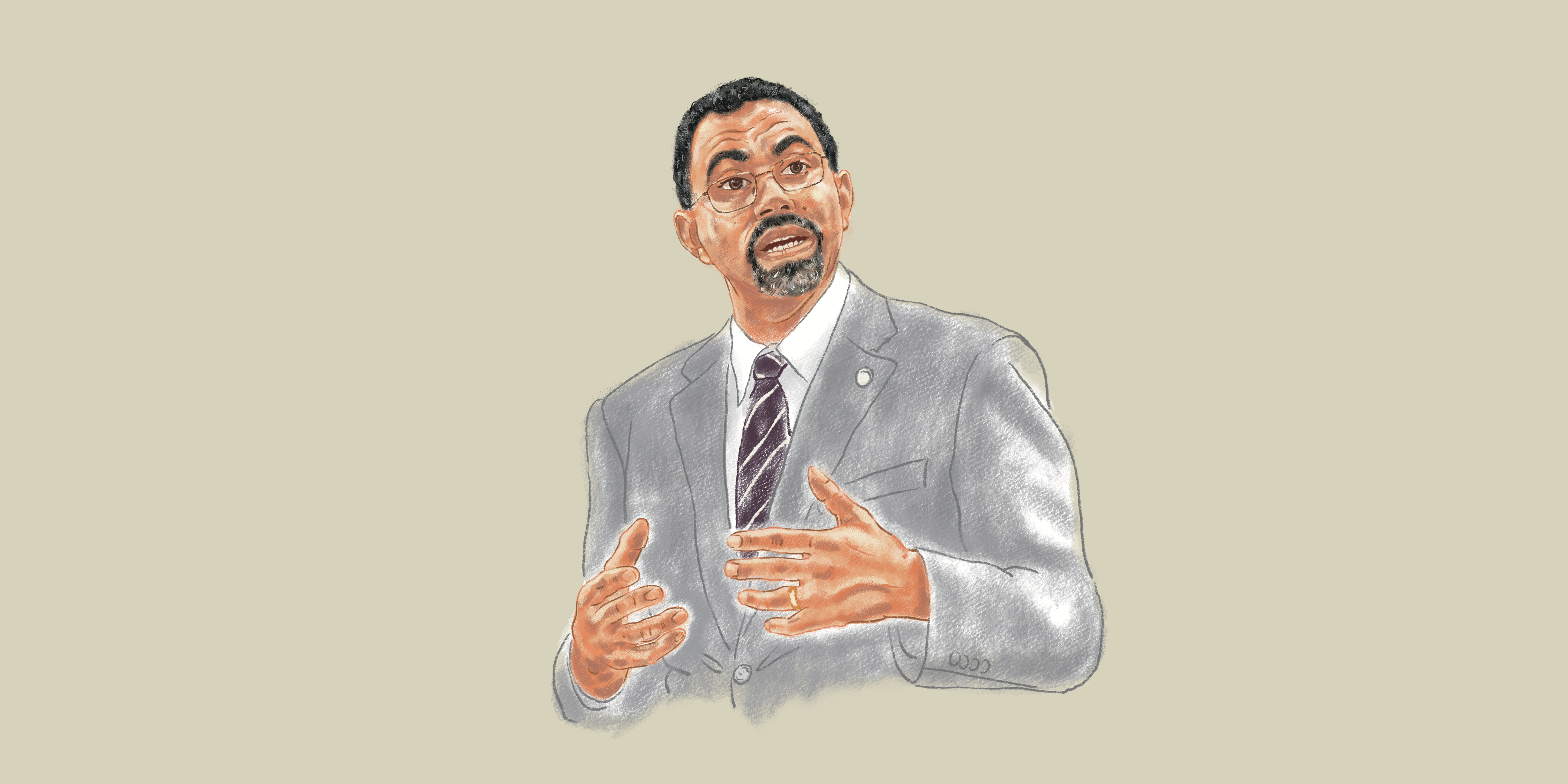
At the annual Pullias Lecture, SUNY Chancellor John B. King Jr., USC Rossier Dean Pedro Noguera and Pullias Center Co-Director Adrianna Kezar took a candid look at the rising costs, political battles and enduring promise of higher education.

The internationally lauded 23-year-old filmmaker, education advocate and policymaker came to USC to deepen her understanding of leadership and organizational change.

Using the U.N.’s Sustainable Development Goals as a framework, educators can help students reach their potential as agents of change.

In the wake of the Eaton fire, Superintendent Elizabeth Blanco EdD '09 rallied Pasadena Unified around one mission: reopening schools.

Over the past decade, Anthony Lee EdD ’13 has embraced innovation, positioning his institution to thrive in the changing landscape of modern education.

During her doctoral studies at USC Rossier, Synovia Moss EdD ’25 helped guide more than 40 community-based organizations nationwide in strengthening vaccine uptake, building trust and shaping a long-term strategy for future public health emergencies.

To restore Americans’ faith in their promise and importance, universities must act collectively.
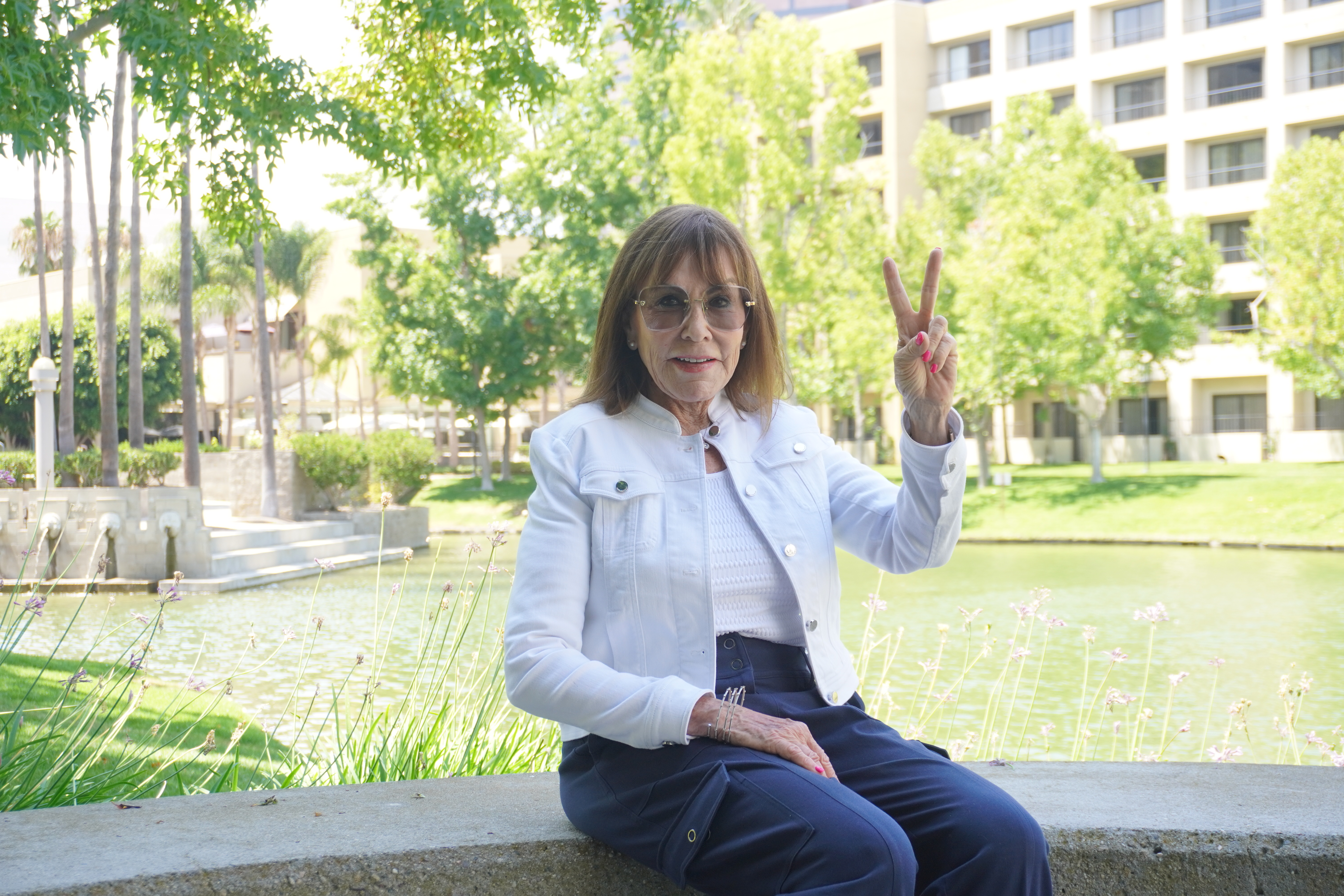
Sandra Lieberman’s fulfilling work in special education inspired a scholarship fund to support the next generation of educators.

Through the new doctoral program, Selina Galvan MFT ’20 is growing her private practice and mentoring the next generation of therapists.