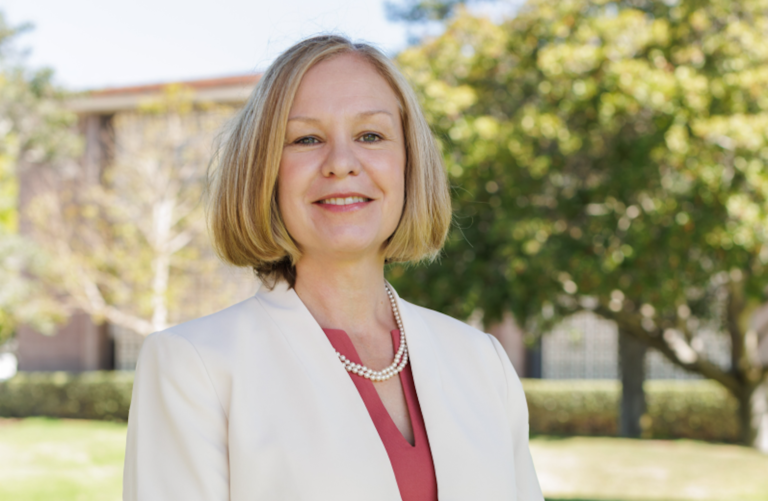
For more than five decades, Donald Brann has worked across California’s education landscape as a teacher, principal, superintendent, mentor and advocate for small school districts. Brann, who earned his Bachelor of Science in business administration from the USC Marshall School of Business in 1968 and his doctorate in education from the USC Rossier School of Education in 1982, has led six school districts, including Wiseburn School District, which he attended as a child. Brann also served as an El Segundo city council member, helped launch the Da Vinci Schools charter network, and founded the California Small School Districts Association, which now represents more than 400 member districts.
Along the way, Brann has confronted many of the issues that school leaders face today, including declining enrollment, school closures, contentious school board debates and financial crises. He recently spoke with USC Rossier about the experiences that shaped his approach to leadership, the importance of relationships and what he believes today’s education leaders can learn from the past.
You grew up in Los Angeles and attended California public schools. What do you remember about your early experiences?
I was born in 1945, just as World War II ended, near USC. When I was a boy, we lived near Santa Barbara Avenue, which today is Martin Luther King Jr. Boulevard. We could walk to the Rose Garden and watch the men play horseshoes in Exposition Park. I think at that point, as a young boy, I was destined to someday go to USC.
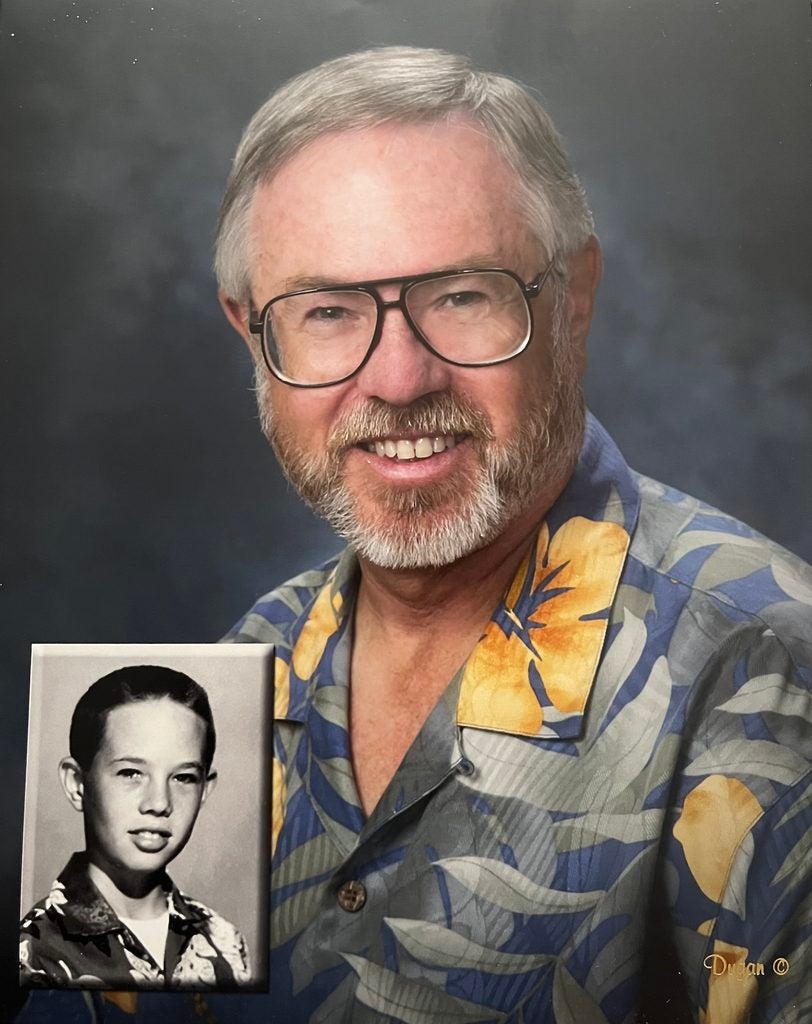
My parents had divorced when I was 2, and I was raised by my mother and grandparents. My mother had been the valedictorian of Manual Arts High School, but for a woman in the early 1940s, during the war, her opportunities were really limited. She never spent a day in college.
We moved to the El Segundo-Hawthorne area when I was 8 because my grandfather and mother had jobs with Douglas Aircraft in El Segundo. I started kindergarten in 1949 at Normandie Avenue Elementary School. In third grade, we moved out to the area near LAX, and I started school in the Wiseburn School District, a little-known K-8 district at the time. Much later, I would come back to lead that district as superintendent.
I went on to Hawthorne High School, where everyone from Wiseburn was slated to go. We had the Wilson brothers in our classes, and they formed the Beach Boys. They went on tour in 1962 and were really unique in their sound.
You met your wife during those years as well?
Yes. She was also a student in Wiseburn, a grade behind me. We started to pay attention to each other around 1961 or 1962. We ended up going together for five years, between my junior and senior year at USC, and we got married at Wayfarers Chapel in Portuguese Bend.
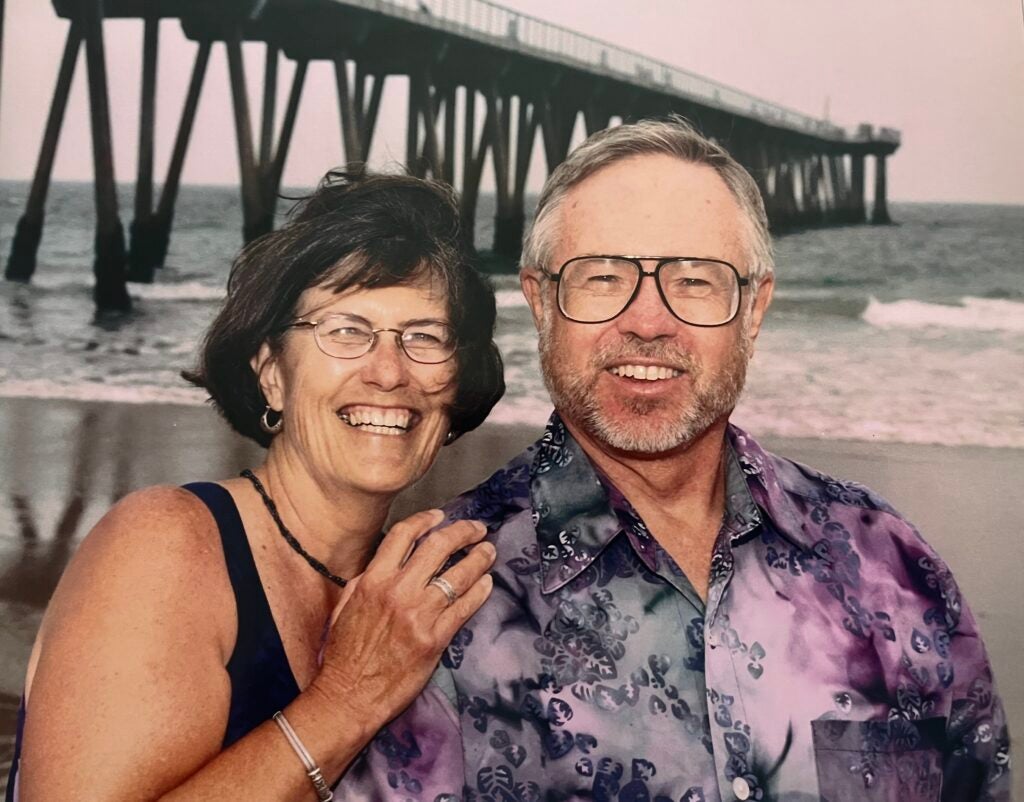
Our marriage outlasted the church itself. We just celebrated 59 years on June 17. She’s been a supporter of mine as I crisscrossed the state to lead these different small districts.
Tell us about your first job in education and your path to the superintendency?
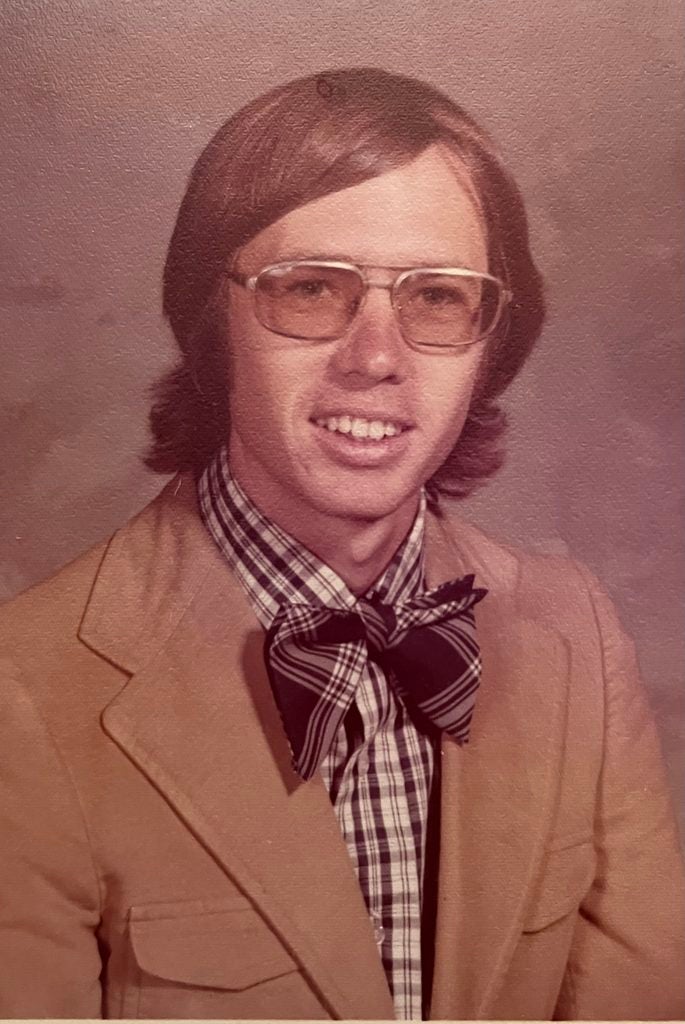
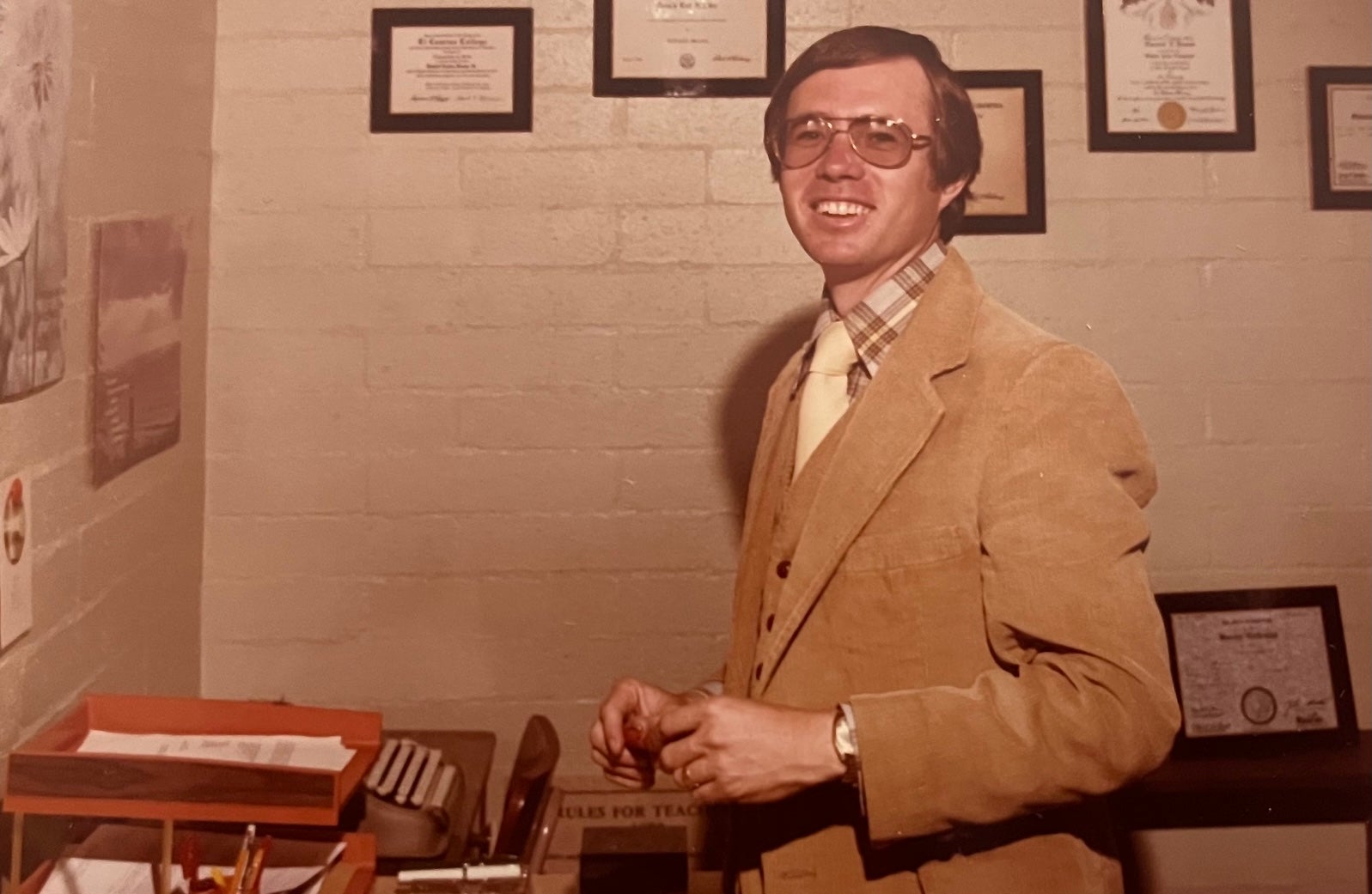
I was a fourth-grade teacher in Room 11 at Center Street Elementary School at El Segundo Unified. After three years, I was named the reading teacher for the school. I pulled kids out of classes who were struggling to learn how to read. Then, in the early to mid-1970s, the state came out with an early childhood education program, and I became a program coordinator for my school.
After nine years with El Segundo, there was a large layoff, and I lost my job in 1979 because I only had nine years of experience, and you needed to have more than 12. That’s when I went out to the desert, between Victorville and Palmdale, and got a K-8 principalship at Wilsona Elementary School.
When I was at Wilsona, the superintendent there was killed in an automobile accident. The board got a petition from the employees of the district, which was only one school at the time, to name me superintendent. The board did it. There I was, like a babe. I was 34, but I looked like I was about 25.
You founded the California Small School Districts Association. What motivated you to advocate for smaller districts?
I chose to work in districts that had one, two, three or four schools so that I could know all the employees and the families. Personalization is, to me, the key to success. When you work with others to achieve goals, they see that you’re putting in the work too, that you care, and that you’re not just there for a short stop but that you’re committed.
I founded the Association in 1983. It was for those very small districts all over the state, including rural districts up in Lassen County and Mendocino County, down by the Mexican border and in Imperial County. That group continues today with more than 400 member districts. Most of those districts get no publicity, but many are very successful because they’re very close to families.
Was there an educator who influenced you early in your career?
Dr. Leonard Murdy from the USC School of Education was certainly an influence. I took several classes from him when I was working on my doctorate, and he was the chair of my dissertation committee. He was a key role model and connector for me. He had actually been superintendent in El Segundo, and I stayed in touch with him long after I received my doctorate.
Dr. John Myers was also influential. He was superintendent of El Segundo when I was a teacher there. He showed me what could be possible when I was very young.
I’m a sports guy, so I created my own personal Hall of Fame. I put people in it who inspired me—teachers who were amazing, principals and others. There are only seven or eight people in there. It’s very hard to get in.
You initially studied business at USC. How did that background shape your career in education?
What made my career successful was the marketing and advertising that I focused on in the School of Business and then applied in the public sector.
As superintendent of Wiseburn, I decided to address the revenue side of the budget instead of the expenditure side. I wasn’t going to make cuts; I was instead going to raise more money so the budget would balance. I had confidence and faith that the products or services I was selling were going to work.
El Segundo is the aerospace capital of the world and has lots of good jobs. People were commuting into the area. I figured out how I could help these folks who were dying out on the freeways. If I could put their children into schools close to where they worked, I could make their lives work logistically. At some points, as many as 40% of the students were coming in from other places.
When there’s a budget deficit, [superintendents usually] make a list of all the expenditures they can cut, and then they prioritize them. I was able to avoid those kinds of meetings. For the 15 years I was superintendent of Wiseburn, I didn’t cut anything. I kept generating more and more funds until I brought in 1,000 students on permits. That was the secret sauce of how the districts I led thrived.
What advice would you give to education leaders who are facing declining enrollment today?
Keep up with current events and what’s happening in surrounding districts. See what the trends are and what might be an opportunity for your district.
You have to take a lay of the land to figure it out—an environmental scan of what factors might be most advantageous where you are. It’s going to differ, but there’s usually an answer wherever you land, something you could do that people before you didn’t address or even see.
Learning is a lifelong process. We never reach maximum smartness. We just keep growing. That’s what learning is all about.
What led you to pursue your doctorate?
I was a pretty good student, and thought I shouldn’t stop short. I thought it would present opportunities, which it ended up doing.
When I spoke to the graduates of Dana Middle School in Wiseburn when I was their superintendent, I’d say, “I know a lot of you are thinking, ‘Four more years. You only have to do four more years of school, get through high school and you’re good.’”
I would tell them, “Back in 1959, and I might have been thinking that. But I want to tell you how long I was in school after I left here out of eighth grade: 23 years.”
Learning is a lifelong process. We never reach maximum smartness. We just keep growing. That’s what learning is all about.
How did your time at USC influence your approach to leadership?
The cumulative total of my USC coursework shaped me to better understand what the field would be like when I got into it. I learned from other people’s experiences and examples. I’m someone who will listen to experience and try not to make those same mistakes. I benefited from that. All the term papers and work I did at USC became the memos, studies and research I used out in the school districts.
Looking back on your career, was there a particularly rewarding position?
Certainly the opportunity to lead the district where I went to school as a boy. It was a chance to give back to the community where I used to throw newspapers after school. I got to do it for 15 years. I retired from that in 2008, just as I founded the Da Vinci charter schools.
[Before I arrived], the district had gone from 3,000 students to 1,000 and had closed three of its six schools. Somebody like me, with my approach, was golden to the situation. I thought, “Let’s change this. Let’s flip this and rescue it.”
I had a board that was supportive, but they hadn’t hired a teacher in 10 years and were cutting programs and services. I redid that whole district over 15 years. It’s been a really blessed career to be able to touch so many people in such a meaningful way and to send these messengers off into a future that, at some point, I won’t be [part of], but I will have influenced that future through them. That’s the profession of it all: giving to others and sending them out there to reach their potential.
What accomplishment are you most proud of?
Rebuilding all of the schools in the Wiseburn district. I was able to pass four bonds and get about $100 million, and build brand-new schools from scratch. We demolished the original schools and transformed the playground spaces. The board named the newest building in the district after my wife and me.
You faced difficult decisions throughout your career. What experience tested you the most?
Probably the controversy over the calendar when I was in the Old Adobe District in Petaluma. We had two schools on a year-round calendar and two on a traditional calendar, and everybody agreed that a little four-school district with about 1,500 students should just be on one calendar — as long as it was theirs.
That was the problem. I heard from people who wanted the year-round calendar and people who wanted the traditional calendar. Eventually, I recommended a kind of Solomon-like solution, where I split the difference between the two — a longer winter break and longer spring break — and thought it might placate both camps.
The board voted 5-0 to reject it in 1984. The board wanted a traditional calendar, and that’s where we ended up going. The friction from the year-round people was something to deal with, but they saw that I tried to blend it. Thirty years later, that experience has stuck with me.
What have you learned about leading through divisive issues?
I listen to everybody. I want to see what they are thinking and their salient points. Then I determine where that decision is going to be made. In my case, it was at the school board.
You’re working for the school board, and you have to be able to count to three if you want to continue to be the leader. That doesn’t mean if you lose one issue you’re out, but [if you lose] too many times, you’re going to be out. You want to pay attention to what your bosses want and try to persuade them if you think the arguments of the people who want change are right.
But at the end of the day, you have to go with what the power determines and make the best of it. The important thing is not to discount what others say. Listening and trying to be responsive is always good. People need to feel that you listened to them and that they have a voice.
In 2013, you were also appointed as the state trustee for Inglewood Unified School District during a financial crisis. Can you tell us about that experience?
In 2013, I got the call from the state superintendent, Tom Torlakson. He said, “I’ve been getting a lot of calls about you. Would you be willing to talk to my deputies about leading Inglewood out of bankruptcy?”
After some negotiation, Governor Jerry Brown appointed me to be the state trustee for Inglewood Unified. The board couldn’t vote, so I had the only vote. The district was upside down — $18 million in the red — and they’d gone from 21,000 students to 7,000 students. There was a lot of corruption and people were not necessarily there for the kids.
Two hours after I started the job, the secretary said, “Dr. Brann, the California Highway Patrol (CHP) is on the phone for you.” They told me I didn’t drive anymore and was in the dignitary protection unit, like Governor Brown, Lieutenant Governor Newsom and all the statewide elected officials. Nobody had mentioned any of this when they were recruiting me.
I had to let go of a lot of people who weren’t really coming to work. I worked with Jackie Lacey, the district attorney, to address people who were stealing textbooks and food. I told Torlakson that people thought I was just there for a cup of coffee, that I was going to leave and that they were going to outlast me, but I went in there for the kids. I promised the people there that I was going to see it through and fix it.
By June 2015, I got the budget balanced and got the district $6.6 million in the black. I think it was about a $25 million swing. I was out of there by September. I had done what I had been sent there to do: get the budget balanced. I did that for two and a half, three years. That cured me. That’s the last superintendent job I had.
What advice would you give to current and aspiring superintendents?
It’s a tough job. You’re dealing with unions, the media, special interest groups, parent networks and social media. You’ve got a country where everybody is polarized and can’t find the middle.

I would ask for mentors. I would ask others to help me who are already doing the job. I think they’d be flattered to be asked, and it helps them to think about what they’re doing because some people are doing things so fast that they don’t reflect on why they’re doing it. And you have to have a sense of humor and see the bright side of things.
There’s also so much churning going on, where people aren’t staying in leadership. They’re looking for a way to retire or jump to another district. Those things are not good for students.
Before I got to Wiseburn, I had been superintendent in Wilsona, out in the desert east of Lancaster, for about five years. Then I went up to Petaluma, north of San Francisco in Sonoma County, for about eight years. Then I went to Placerville for two years in El Dorado County.
I got to come back home [to Wiseburn to] pay the community back for the education that my wife and I received there. I decided that if I wanted to make a difference, I had to commit to spending the rest of my career there.
Artificial intelligence is top of mind for many educators. If you were a superintendent today, how would you approach AI in education?
The key is to try to manage it in a way that brings value and doesn’t bring detrimental harm. I just know that, at the end of the day, it’s about the relationships between people. We can never lose sight of that. From relationships, you build trust, and from trust you can get anything done.
AI isn’t going to replace that.
Back in the 1950s, we talked about automation and how jobs were going to be replaced by machines and equipment. We saw that didn’t happen to the degree people expected. We still needed people as part of the equation.
There are always going to be challenges on the horizon. The question is how you adapt to change and don’t let it wreck your existence.
From relationships, you build trust, and from trust you can get anything done.
What gives you hope about the future of education?
What gives me hope is when I see the bright lights of the students and their accomplishments.
I attended my grandson’s high school graduation a couple of weeks ago, and there’s a lot that’s good going on. It’s not necessarily being reported, but it’s there.
This interview has been edited for length and clarity.